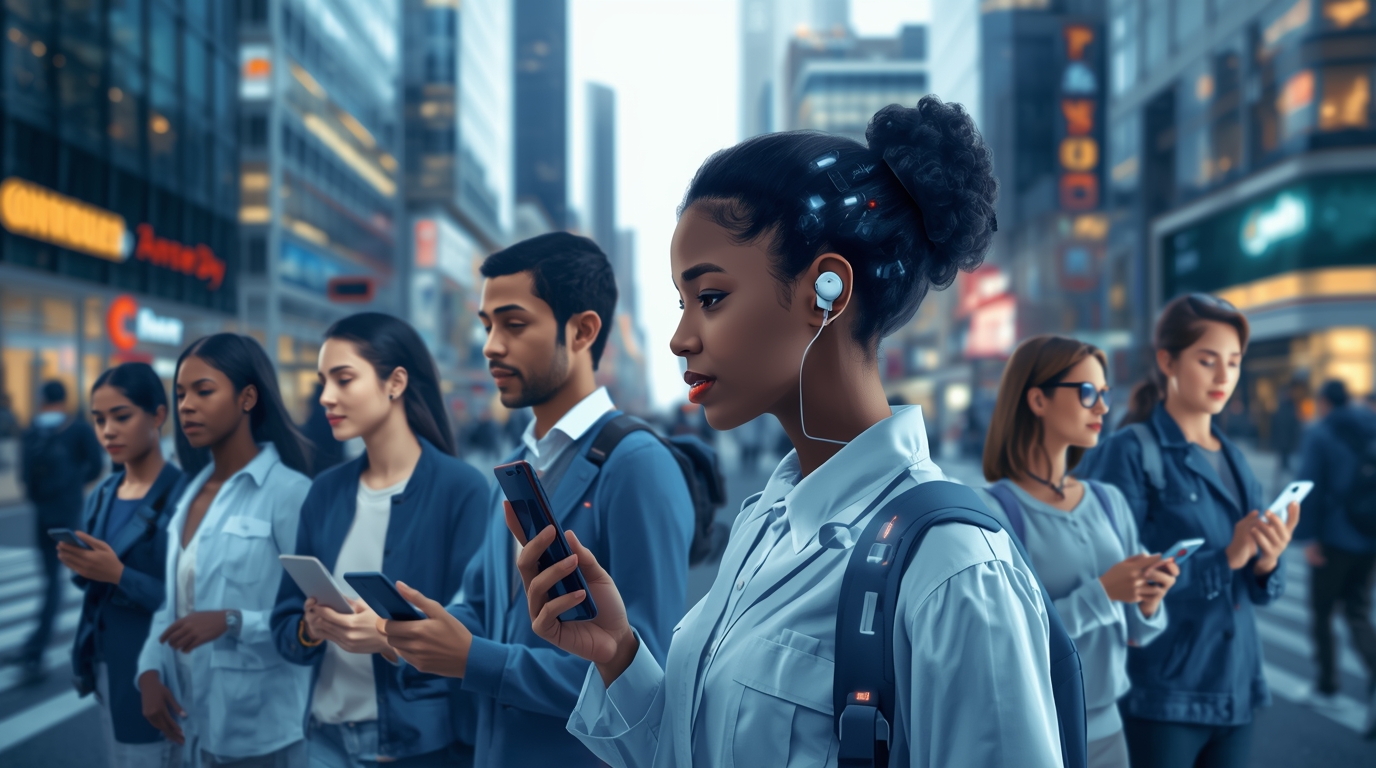
Technology news moves faster than your phone battery drops at 2%. Every year we hear about flying taxis, robot chefs, hologram meetings, and smart fridges that judge our midnight snack choices.
But let’s be honest.
Most people don’t care about technology unless it actually makes life easier.
You don’t wake up thinking, “I hope quantum computing advances today.”
You wake up thinking, “Why is my Wi-Fi slow again?”
This article focuses on real technology breakthroughs — not sci-fi dreams — but innovations you’ll genuinely use in daily life over the next few years.
So grab a coffee (or charge your phone while reading — I know it’s at 12%), and let’s explore the technologies quietly changing how we live, work, shop, travel, and relax.
Why Technology Feels Different Now
From Cool Gadgets to Everyday Helpers
In the past, technology felt optional. Today, it feels essential.
We moved from:
- Desktop computers → Smartphones
- Phone calls → Messaging apps
- Paper maps → GPS navigation
- Guessing → Data-driven decisions
The biggest change?
Technology is becoming invisible.
The best innovations are the ones you barely notice — they just work.
Think about it:
- Face unlock replaces passwords.
- Streaming replaces DVDs.
- Digital payments replace wallets.
You don’t admire them anymore. You just expect them.
What Makes a Technology “Actually Useful”?
A real breakthrough usually meets three conditions:
| Feature | Why It Matters |
|---|---|
| Easy to use | No instruction manual needed |
| Saves time | People value convenience |
| Affordable | Mass adoption happens |
| Solves a problem | Not just a fancy feature |
If technology doesn’t solve a real problem, it becomes another dusty gadget drawer resident.
1. Artificial Intelligence That Works for Regular People
AI used to sound scary — robots taking over jobs, machines becoming smarter than humans, etc.
Today?
AI mostly helps you write emails faster and remove background noise during video calls.
And honestly, that’s pretty great.
How AI Became Practical
Earlier AI required experts and expensive systems. Now it lives inside apps you already use.
Examples you probably use daily:
- Smart search suggestions
- Auto photo enhancement
- Voice assistants
- Spam filters
- Translation tools
AI quietly saves you hours every week.
Everyday AI Uses
1. Writing Assistance
AI helps with:
- Emails
- Blog drafts
- Social media captions
- Resume editing
No more staring at a blank page thinking, “Words… please appear.”
2. Personal Productivity
AI tools now:
- Schedule meetings
- Summarize documents
- Organize tasks
- Create reminders automatically
Your digital assistant is slowly becoming smarter than your office manager.
3. Smarter Recommendations
Streaming platforms, shopping apps, and music services learn what you like.
Sometimes too well.
You watch one cooking video… suddenly you’re a professional chef according to the algorithm.
Why AI Matters Long-Term
AI isn’t replacing humans.
It’s removing boring work.
And honestly, nobody dreams of growing up to manually sort spreadsheets.
2. Smart Homes That Are Finally… Smart
Remember early smart homes?
You needed five apps, three passwords, and a degree in engineering just to turn on a light.
Now things are simpler.
Modern Smart Home Breakthroughs
Smart homes today focus on automation instead of control.
Instead of telling devices what to do, they learn your habits.
Examples:
- Lights adjust automatically at sunset
- Thermostats learn temperature preferences
- Doors lock themselves
- Security cameras detect unusual activity
Your house basically becomes a helpful roommate.
Popular Smart Home Technologies
| Technology | What It Does |
|---|---|
| Smart speakers | Voice control for devices |
| Smart lighting | Energy-saving automation |
| Smart thermostats | Reduce electricity bills |
| Video doorbells | Remote security monitoring |
| Robot vacuums | Clean while you relax |
Yes, robots are finally doing chores. Humanity wins.
Real Benefits
- Lower energy bills
- Better security
- Convenience
- Accessibility for elderly users
The biggest breakthrough isn’t flashy — it’s effortless living.
3. Wearable Technology That Cares About Your Health
Fitness trackers started as step counters.
Now they’re basically mini health labs on your wrist.
What Modern Wearables Can Do
Today’s devices monitor:
- Heart rate
- Sleep quality
- Stress levels
- Blood oxygen
- Physical activity
Some even warn users about irregular heart rhythms before symptoms appear.
Your watch now knows more about your health than your childhood doctor.
Why People Actually Use Wearables
Because they answer everyday questions:
- Did I sleep well?
- Am I active enough?
- Why am I tired?
Technology becomes powerful when it provides personal insight.
Wearables vs Traditional Healthcare
| Traditional Healthcare | Wearables |
|---|---|
| Occasional checkups | Continuous monitoring |
| Reactive treatment | Preventive awareness |
| Doctor visits | Real-time feedback |
Healthcare is slowly moving from hospitals to wrists.
4. Faster Internet: The Quiet Revolution
Nobody celebrates faster internet publicly.
But everyone complains when it’s slow.
High-speed connectivity may be the most important breakthrough of all.
The Rise of Ultra-Fast Networks
New network technologies deliver:
- Faster downloads
- Lower latency
- Stable video calls
- Better online gaming
- Smooth remote work
Things that used to buffer now load instantly.
And patience levels worldwide have dropped accordingly.
Real-Life Impact
High-speed internet enables:
- Remote jobs
- Online education
- Telemedicine
- Cloud gaming
- Smart cities
Without fast internet, modern life simply stops working.
5. Electric Vehicles Becoming Normal
Electric cars used to be rare and expensive.
Now they’re becoming mainstream transportation.
Why EVs Are a True Breakthrough
Electric vehicles solve multiple problems:
- Reduce fuel costs
- Lower emissions
- Require less maintenance
- Offer quieter driving
Plus, no more awkward gas station conversations at 6 AM.
Key Improvements Driving Adoption
- Longer battery range
- Faster charging
- Lower prices
- Expanding charging networks
Electric mobility is shifting from trend to standard.
EV vs Traditional Car
| Feature | Electric Vehicle | Gas Car |
|---|---|---|
| Maintenance | Low | High |
| Fuel Cost | Cheap electricity | Expensive fuel |
| Noise | Quiet | Loud |
| Emissions | Low | High |
The future of driving feels more like using a smartphone than maintaining a machine.
6. Digital Payments and Cashless Living
Your wallet is shrinking.
Your phone is becoming your bank.
How Payments Changed
We moved from:
- Cash → Cards → Mobile wallets → Contactless payments
Today you can pay for coffee, groceries, taxis, and subscriptions without touching cash.
Some people panic more when they forget their phone than when they forget money.
Benefits of Digital Payments
- Faster checkout
- Better security
- Expense tracking
- Online integration
Money management becomes automatic.
Unexpected Advantage
Digital payments also help small businesses grow by enabling online selling and global customers.
Technology democratizes commerce.
7. Cloud Computing for Everyone
You may not see the cloud — but you live in it daily.
Photos, emails, documents, backups… all stored remotely.
What Changed with Cloud Technology
Before cloud computing:
- Files stayed on one computer.
- Losing your laptop meant losing everything.
Now:
- Files sync across devices.
- Work continues anywhere.
- Collaboration happens instantly.
Your office fits inside your pocket.
Cloud Benefits
| Benefit | Example |
|---|---|
| Accessibility | Work from anywhere |
| Backup protection | No data loss |
| Collaboration | Team editing |
| Scalability | Businesses grow easily |
The cloud quietly powers modern productivity.
8. Automation and Smart Assistants
Automation removes repetitive tasks from daily life.
And people love anything that eliminates boring work.
Examples of Everyday Automation
- Email filtering
- Automatic bill payments
- Smart reminders
- Calendar scheduling
- Customer service chatbots
Technology handles small decisions so humans can focus on bigger ones.
Why Automation Matters
Time saved equals life improved.
Even saving 15 minutes daily equals:
- 90 hours per year
- Nearly four extra days of free time
That’s basically a mini vacation created by software.
9. Augmented Reality (AR) Sneaking Into Daily Life
AR once sounded like a gaming gimmick.
Now it helps people shop, learn, and navigate.
Where You Already See AR
- Trying furniture virtually
- Navigation arrows on maps
- Makeup previews
- Education apps
- Repair instructions
Instead of replacing reality, AR enhances it.
Why AR Will Grow
It reduces uncertainty.
People can see results before buying or building something.
And fewer bad purchases mean fewer regrets.
10. Cybersecurity Becoming User-Friendly
Security used to mean complicated passwords nobody remembered.
Now security focuses on convenience.
Modern Security Breakthroughs
- Face recognition
- Fingerprint login
- Two-factor authentication
- Behavioral security systems
Security finally works with users instead of against them.
The Real Change
Technology protects people automatically.
You don’t need to be a hacker to stay safe online anymore.
11. Remote Work Technology Redefining Jobs
The workplace is no longer a building.
It’s a connection.
Tools Enabling Remote Work
- Video conferencing
- Cloud collaboration
- Project management platforms
- Virtual whiteboards
Millions discovered they could work effectively without commuting.
And nobody misses traffic jams.
Benefits of Remote Technology
| Advantage | Result |
|---|---|
| Flexibility | Better work-life balance |
| Global hiring | More opportunities |
| Lower costs | Reduced commuting |
| Productivity | Focused work environments |
Technology changed not just work — but lifestyle choices.
12. Smart Healthcare and Telemedicine
Healthcare technology is moving care closer to home.
Telemedicine Breakthrough
Patients can now:
- Consult doctors online
- Receive digital prescriptions
- Monitor conditions remotely
This saves time, travel, and waiting room boredom.
Healthcare Technology Advantages
- Faster access to doctors
- Early disease detection
- Lower healthcare costs
- Improved patient monitoring
Healthcare becomes proactive instead of reactive.
13. Sustainable Technology and Green Innovation
Technology isn’t just about convenience anymore.
It’s about survival.
Key Green Tech Innovations
- Solar energy systems
- Smart energy grids
- Energy-efficient devices
- Electric transportation
- Sustainable manufacturing
Technology helps reduce environmental impact without reducing comfort.
Why Sustainability Matters to Users
People save money while helping the planet.
That’s a rare win-win.
14. Personalized Technology Experiences
Technology now adapts to individuals.
Not the other way around.
Examples of Personalization
- Music recommendations
- Customized news feeds
- Adaptive learning platforms
- Smart fitness plans
Your devices learn your preferences.
Sometimes they know your habits better than your friends do.
15. The Biggest Breakthrough: Technology Becoming Invisible
The ultimate technology goal isn’t complexity.
It’s simplicity.
The best innovations disappear into daily life:
- Doors unlock automatically.
- Cars update software overnight.
- Devices sync instantly.
- Services anticipate needs.
Technology succeeds when you stop noticing it.
Future Technologies You’ll Likely Use Soon
Here’s a quick preview:
| Technology | Expected Everyday Use |
|---|---|
| AI assistants | Personal planning |
| Autonomous driving | Safer travel |
| Smart cities | Traffic optimization |
| Advanced batteries | Longer device life |
| Digital identity systems | Secure online access |
The future won’t feel futuristic.
It will just feel convenient.
Challenges That Still Exist
Not everything is perfect.
Technology also brings challenges:
- Privacy concerns
- Screen addiction
- Data security risks
- Digital inequality
The goal moving forward is responsible innovation.
Technology should empower people — not overwhelm them.
How to Prepare for the Tech Future
You don’t need to become a programmer.
Simple steps help you stay ahead:
✅ Stay curious
✅ Learn basic digital skills
✅ Protect online privacy
✅ Try new tools gradually
✅ Focus on usefulness, not hype
Technology rewards adaptability more than expertise.
Final Thoughts: The Real Meaning of Innovation
The biggest technology breakthroughs aren’t robots or flying cars.
They are small improvements repeated millions of times:
- Faster communication
- Smarter tools
- Better health awareness
- Easier daily routines
Technology succeeds when life becomes smoother.